

Bochum University Library Annual Report 2025
1. Introduction
From Hegel to AI: Bochum University Library in RUB's Anniversary Year, 2025
Even in the 60th anniversary year of Ruhr University Bochum, the University Library (RUB) has continued to consistently develop its services and has supported the university’s goals with great dedication.
As part of the joint application for excellence submitted by Ruhr University Bochum and TU Dortmund University as the “Ruhr Innovation Lab” (RIL), the university bibliography was expanded to include an “RIL” view. This highlights the joint publication output of both universities and strengthens their collaboration in the field of research.
Another important step was the development of a process for determining the campus-wide information budget, as recommended by the German Science Council. This assessment serves as a key foundation for future budget decisions regarding higher education policy.
A milestone for scholarly publishing at RUB was the introduction of a new funding model for publication costs with the publishers Wiley, Springer, and Elsevier (DEAL).
The year 2025 was also marked by digital innovations: The University Library began developing database-driven software for recording, analyzing, and monitoring Open Access editions of journals and books. In addition, a digital tool that uses artificial intelligence to locate full-text articles was introduced for the first time. The responsible and service-oriented use of AI was complemented by the new course offering “Generative AI for Beginners.”
The University Library’s appeal as a place for learning and spending time was further enhanced: the arrival of the internationally renowned Hegel Research Library, the new University Library terrace with a south-facing view and lounge chairs, and the expansion of the Hanging Gardens contributed significantly to this. This was reflected in a new visitor record of nearly 1 million visits—despite extensive renovation work and the associated restrictions.
In the RUB’s anniversary film, the University Library was rightly described as the “figurehead of the university.” Numerous academic exhibitions and events, such as the 7th DH Day on the topic of “Digital Ethics,” made the University Library a central hub for exchange, knowledge transfer, and social dialogue in 2025. Thanks to its diverse program of events and courses, as well as its pleasant atmosphere, the University Library was once again selected as a filming location for film and television productions (including the ZDF documentary series “37 Grad”), interviews, and radio segments.
In the area of research data management (RDM), the RDS team (Research Data Services) successfully launched an RDM expert network that promotes knowledge exchange through regular meetings and identifies the needs of researchers. In addition, at the initiative of the Office of the Vice President for Research, an RDM Advisory Board was established, on which the University Library is represented at the executive level and which makes strategic decisions regarding the further development of RDM. To instill an understanding of the importance of RDM early in students’ academic careers, the University Library developed an e-learning course for students, which won an award in the RUB’s 5x5000 competition.
The achievements presented here, along with others described below, underscore the University Library’s strong commitment to the continued development of RUB as an institution of excellence in teaching and research.
The team of Bochum University Library is pleased to have made significant contributions to the success of Ruhr University Bochum, also in its anniversary year of 2025.
Dr. Jörg Albrecht, Director of Bochum University Library
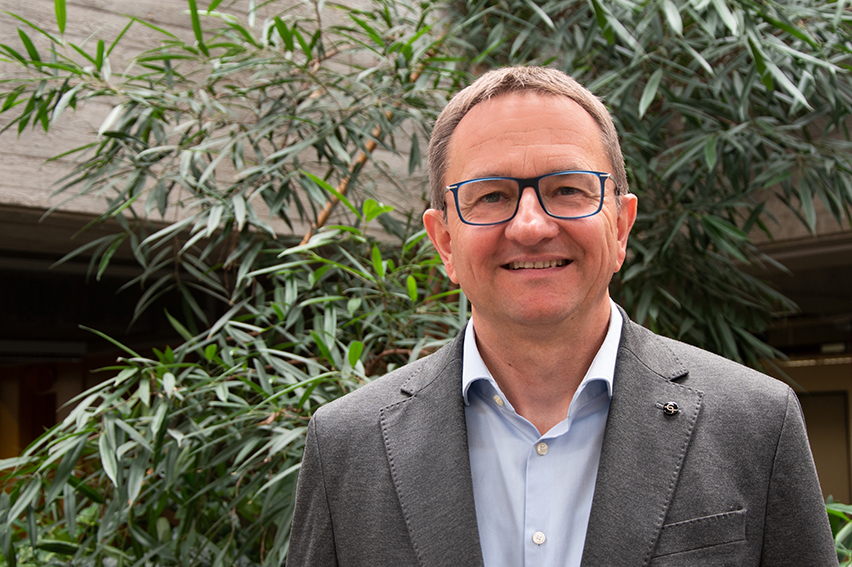
© RUB, Rosenkranz
2. For the strategic goals of the RUB
2.1 For Excellence in Research
2.1.1 Digital Humanities: Tools and Collaborations
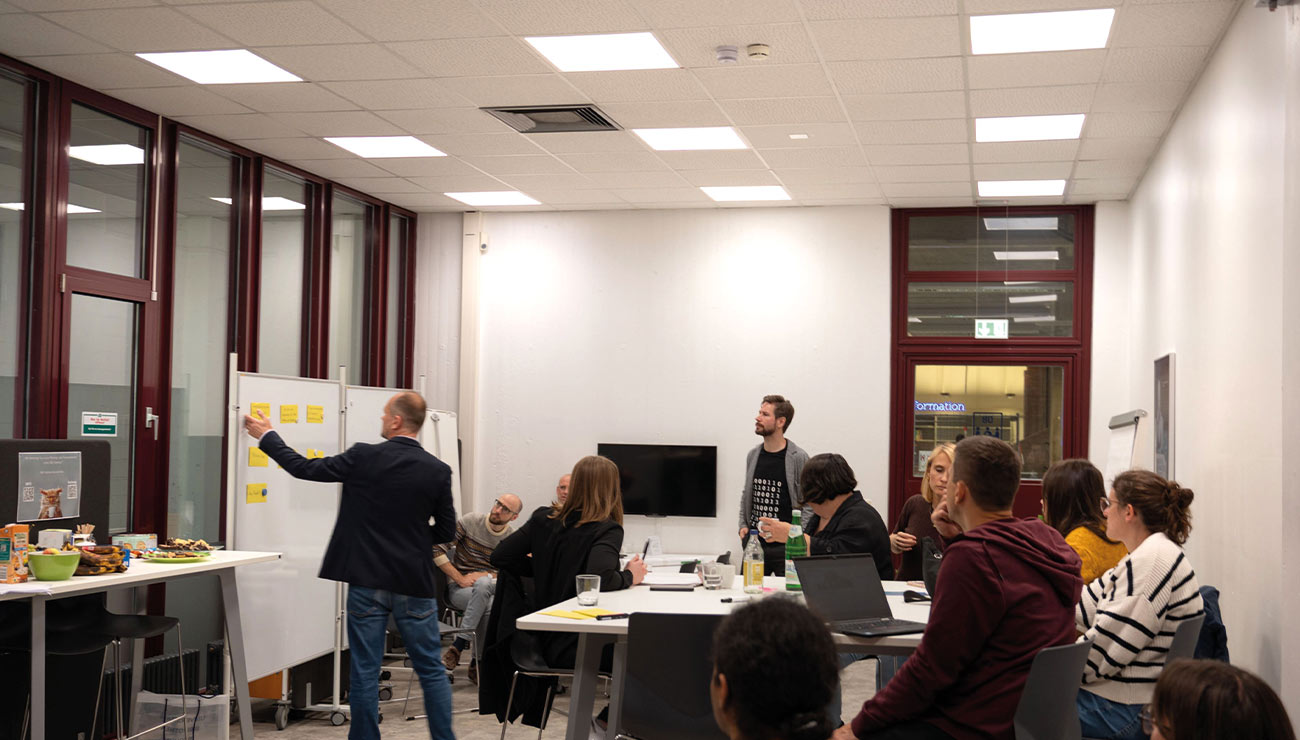
The Digital Humanities Center (DHC) celebrated its fifth anniversary in 2025. The highlight of the celebrations was DH Day #7, focused on the theme of “Digital Ethics”, which featured a keynote address by Prof. Dr. Johann-Christian Põder and a keynote discussion on AI ethics, followed by a festive anniversary dinner. In a Futures Thinking Workshop, participants developed future scenarios for the DHC and the DH community within the University Alliance Ruhr (UA Ruhr). A Barcamp and the online panel “DH @ MENA(-Lib.)” also provided opportunities for subject-specific exchange on digital methods.
In addition to advising on numerous research projects, the DHC continued to expand the DH infrastructure on campus in 2025. It updated the licenses for the Oxygen XML Editor, configured a test instance for the annotation tool Recogito Studio, and set up the “DHC teach” sandbox environment for nodegoat for use in teaching. The event and course program at the University Library’s DH Space included a wide range of courses on SQL, GIS, XML/TEI, as well as knowledge management with Obsidian and 3D modeling with Blender.
In the academic sphere, the DHC established collaborations through the Text Recognition Working Group in collaboration with the Service Center for Digital Humanities (SCDH) at the University and State Library of Münster. In addition, the team published a scholarly article on DH Spaces as multifunctional spaces in libraries. The research year concluded with a presentation of findings on geodata-specific research data management, using a map portal as an example, at the FORGE25 conference in Rostock.
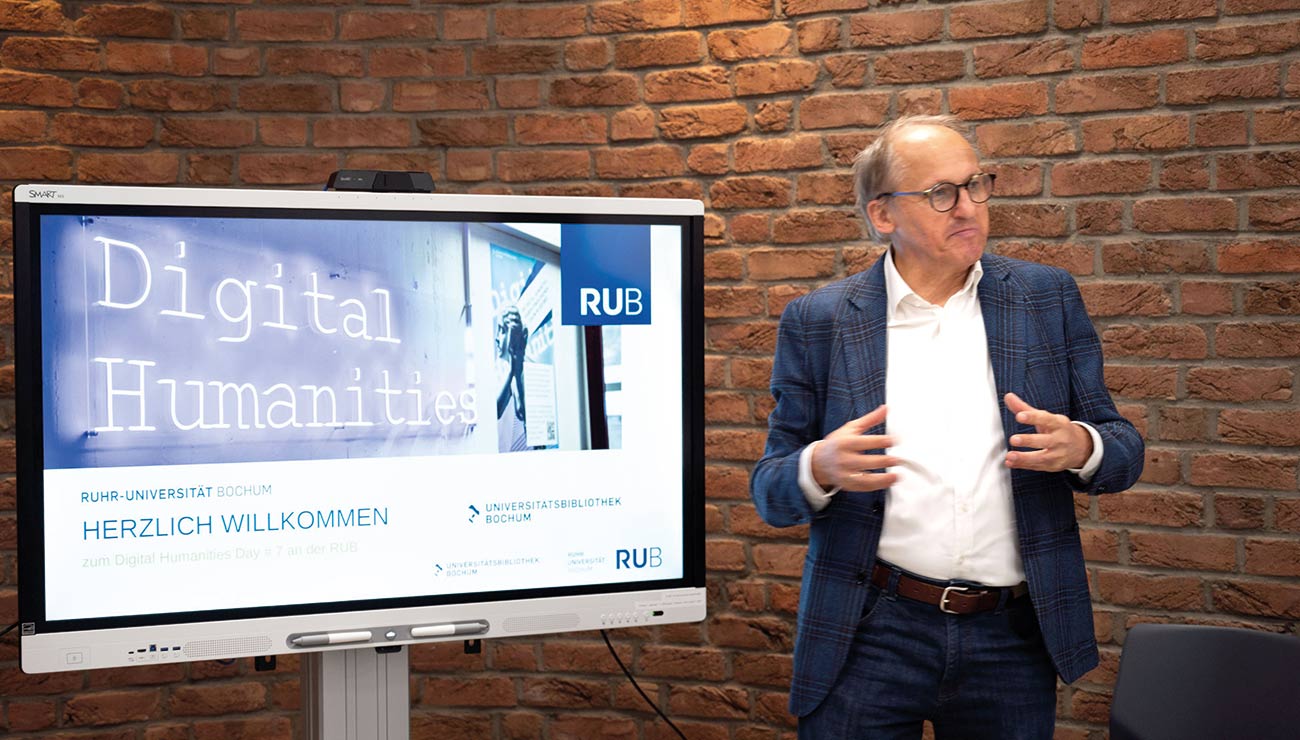
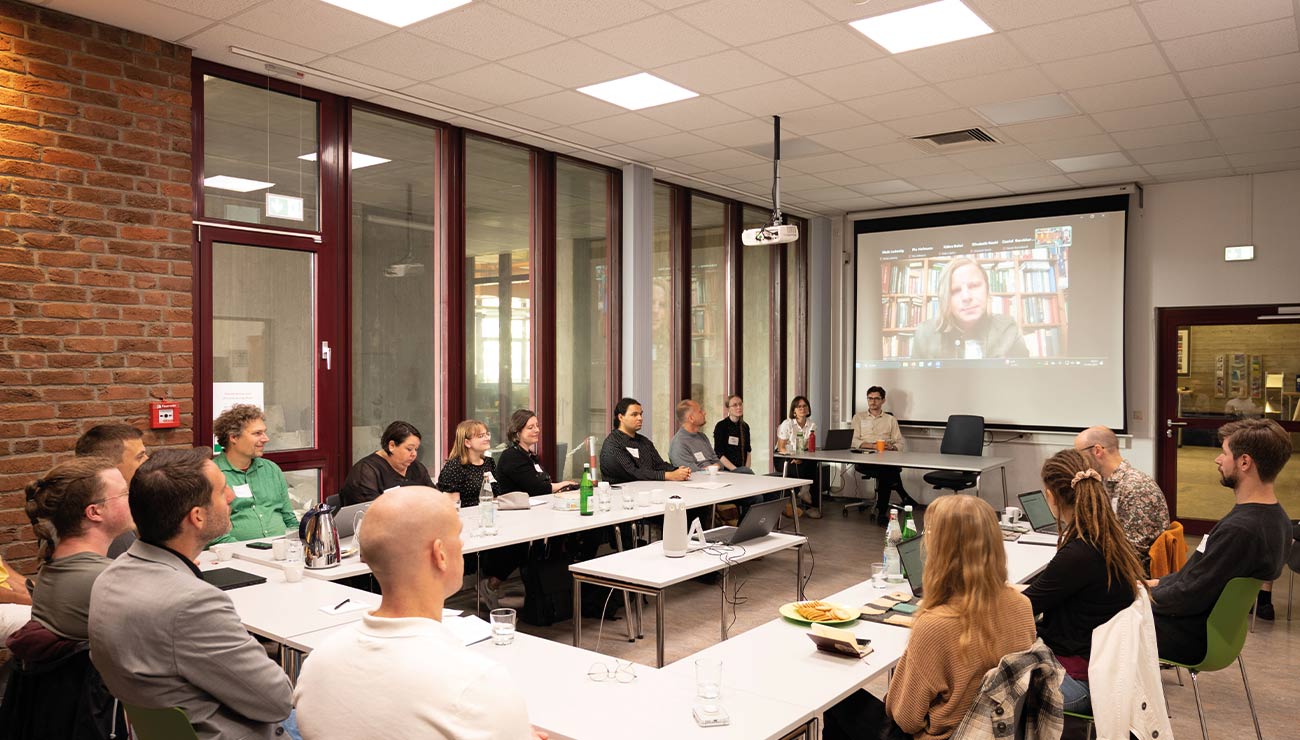
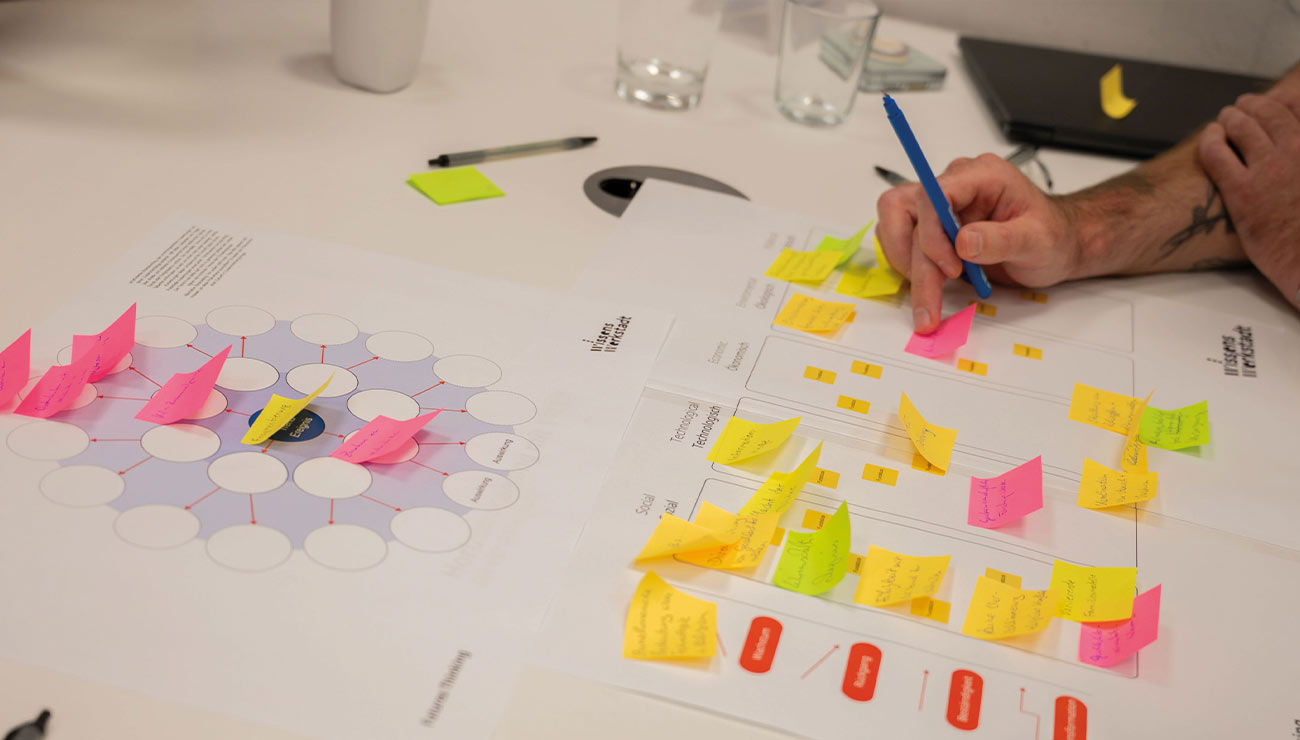
© RUB, Rosenkranz
2.1.2 Research Data Management (RDM)
In 2025, a key focus of the work carried out by the Research Data Management Team (RDM) at Bochum University Library — as part of the RUB’s RDS team — was on structural networking and strategic development of RDM at Ruhr University as a whole. As part of Research Data Day in North Rhine-Westphalia, the RDM expert network at RUB was successfully launched. The kick-off event took place at Bochum University Library. In addition, the RDM Advisory Board began its work and has since been guiding the strategic development of research data management at the university.
The range of training options was significantly expanded compared to the previous year, particularly as part of the UA Ruhr’s RDM curriculum. A total of 38 training sessions and events were held, both in person and online, attracting a total of 547 participants. The content of these options covered a broad range, including
- fundamentals of RDM,
- data management plans,
- data organization, and
- open data and data publication.
Courses were also offered as part of Love Data Week 2025 and Open Science November.
Other opportunities arose from university-internal requests, for example from large research consortia such as Collaborative Research Centers (SFBs).
Individual consultations also remained a central component of the services offered. In 2025, 36 of 65 consulting inquiries led to in-depth consultations, including several very extensive project support engagements, indicating growing awareness of the RDS services and their increasing utilization by researchers. The topics of the inquiries ranged from data publication and storage to data management plans and legal and organizational issues.
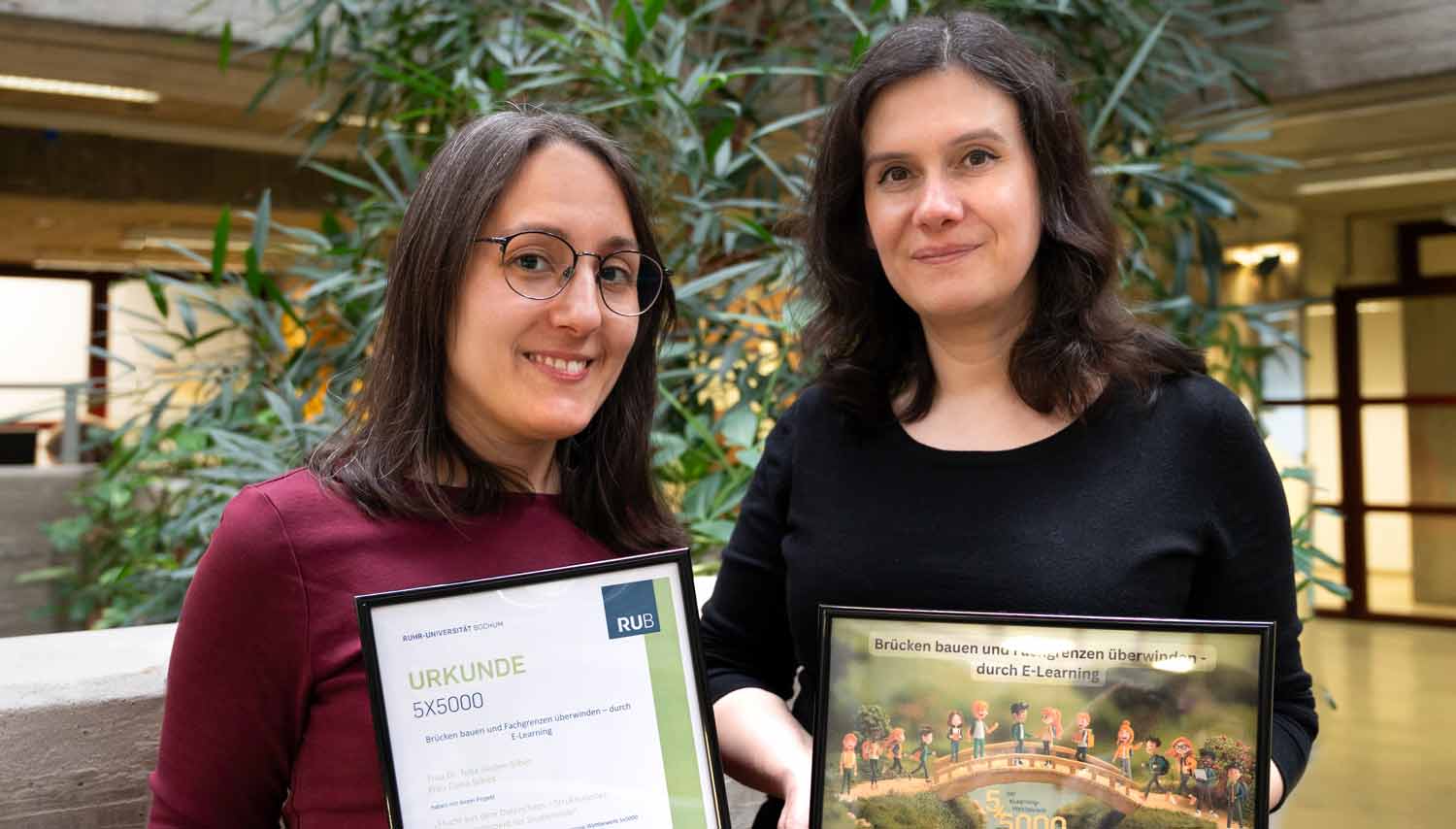
Another success was the award given to the e-learning course “Escape from Data Chaos – Structured Data Management for Students” as part of RUB’s “5x5000 competition“. In addition, the RDS team was represented at national conferences and actively participated in organizing Research Data Day in North Rhine-Westphalia.
© Love Data Week I Open Science November I © RUB, Rosenkranz
2.2 For international visibility and reception
2.2.1 Open Access: Funding Opportunities and Publication Services
In 2025, the University Library entered the second funding phase of the DFG’s Open Access Publication Cost Program. For the first time, over 300 of RUB's articles were funded by the RUB’s Open Access Fund (Gold OA). DFG funding now also covers Open Access costs for books produced as part of DFG projects.
Additional Open Access publication opportunities arose through RUB’s participation in numerous Open Access transformation agreements. In 2025, the University Library’s OA team coordinated the funding of over 900 Open Access articles written by RUB researchers.
As in previous years, the OA team advised many researchers on the topic of Open Access—including on funding opportunities, funder requirements, CC licenses, and Open Access republications. Events tailored to the campus’s needs were organized and offered as part of RUB’s Open Science November.
In the field of research-driven Open Access publishing (Diamond Open Access), the journal Meaning was founded in 2025 and is published via the Open Journal Systems (OJS) platform hosted by the University Library. The editors are Daniel Gutzmann (German Linguistics), Kristina Liefke (Philosophy of Information and Communication), and Katharina Turgay (German Linguistics). In 2025, many additional full-text articles written by RUB authors were also published via the RUB document repository.

2.2.2 The University Bibliography
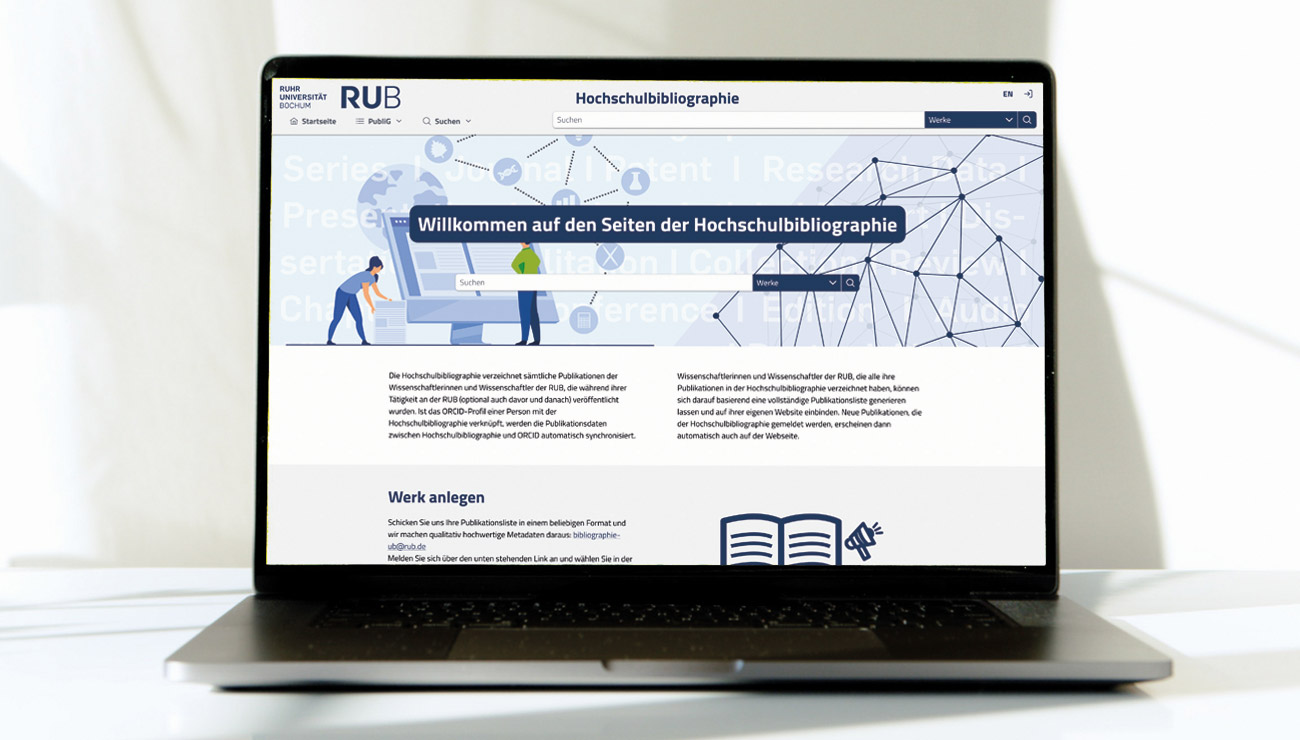
The RUB University Bibliography underwent significant further development in 2025, both technically and in terms of content. A key milestone was the implementation of an automated import of publication data from Scopus and Web of Science. Following a one-time retrospective import covering publications from 2010 onward, new publications from both data sources have since been imported on a regular basis.
In addition, the web front end of the university bibliography was fundamentally redesigned. The new design and improved user guidance contribute significantly to enhanced usability. As part of the “Ruhr-Innovation-Lab” (RIL) application submitted by RUB and TU Dortmund University under the Excellence Strategy, a dedicated “RIL view” was also made available to display joint publications. In this way, the University Library made an important contribution to supporting the application.
The database also grew significantly during the reporting year. In total, over 29,000 new publications were added for RUB, including 3,900 entries automatically imported via ORCID and 28,000 records from Scopus and Web of Science. In addition, over 6,000 publications were reported by researchers or recorded by the editorial team. As a result, the university bibliography will list over 260,000 RUB publications by the end of 2025.
The “PubliG” publication list service continued to operate smoothly and was well received. Two introductory sessions and one in-depth consultation were held regarding this service. The service thus continues to support a uniform and interoperable display of publication lists on RUB’s websites.
© Magnific I © RUB, Rosenkranz
2.2.3 Bibliometry
In 2025, Bochum University Library conducted eight bibliometric analyses for the university administration and various faculties, particularly in the context of strategic planning. The analyses focused on different organizational units within RUB and were carried out using various data sources and tools, primarily the university bibliography, Scopus, SciVal, Google Scholar, and OpenAlex.
2.3 Diversity, Inclusion, and Accessibility
In 2025, the services offered by the “UB Barrierefrei” team continued to be well received. In addition to the Vocatex computer with its text-to-speech function, the scanning service for users with visual impairments was in particularly high demand. It is therefore particularly gratifying that the user-friendliness of this service area could be further optimized through post-processing of scans: A total of 4,250 pages were processed in various scanning jobs, and to reduce potential reading barriers, text was straightened, pages were realigned, and smudges were removed. Furthermore, processing the scans with OCR now allows users to search through them. We also continued to support our users through catalog and literature searches as well as interlibrary loan requests.
Accessibility within the library building was further improved by installing new signage for the way to the accessible restroom and adding reflective strips in the stairwell. Networking with internal and external stakeholders at Ruhr University Bochum has also been successful, not least through active dialogue with RUB’s Inclusion Officer.
2.4 Internationality
English-language training courses and consulting services, as well as collaboration with RUB’s International Office, have long been an integral part of the University Library’s service portfolio. In 2025, there were also various new partnerships and events, some of which had an international reach.
2.4.1 International Conference on Library, Information Science and Scholarly Publishing
At the International Conference on Library, Information Science and Scholarly Publishing in Vietnam (ICLISSP2025), as part of the workshop “Promoting the International Integration of Vietnamese Scientific Journals”, the University Library’s publication services presented RUB’s Open Journal Systems platform (OJS RUB) to an international audience in August.
2.4.2 Cooperations in MENA-subjects
In September, as part of RUB’s DH Day #7, an online panel on Digital Humanities in MENA Studies was held, with guests from Austria and Switzerland also participating. The panel was well-attended, with 35 participants, and provided an opportunity for a lively exchange on tools, methods, and challenges of DH projects in the field of MENA Studies. Abstracts of the presentations are available in the DH Day #7 collection in RUB’s document repository.
In November, the Arab writer Nahed al Essa hosted a reading. Together with Prof. Köhnen from RUB’s Institute of Linguistics, she shared insights into everyday life in Damascus through Arabic and German poetry and prose.
2.4.3 A Brief Eastern Indian Travelogue (Eine kurtze Ost-Indianische Reiß-Beschreibung)
In 1669, the Swiss painter and traveler Albrecht Herport published "Eine kurtze Ost-Indianische Reiß-Beschreibung" (A Brief Eastern Indian Travelogue), offering an early modern perspective on Taiwan.
On December 12, 2025, at Bochum University Library, a copy of the now-published first complete Chinese translation of the work was ceremoniously presented to Prof. Moll-Murata (Faculty of East Asian Studies at RUB) by Director Luo, Director of the Taipei Representative Office in the Federal Republic of Germany, and his deputy, Consul Zhang, as well as the Director of the National Taiwan Library, Prof. Chang, and four of her staff members.
2.5 Sustainability
Last year, the “Sustainable University Library” working group once again successfully organized its tried-and-true events, which were very well received. In addition, new elements were added to our portfolio of activities.
For example, a team from Bochum University Library once again participated in the “Stadtradeln” cycling challenge in May and, together with RUB, was once again honored by the City of Bochum for its cycling achievement of 4,141 kilometers (678.1 kg of CO2 saved).
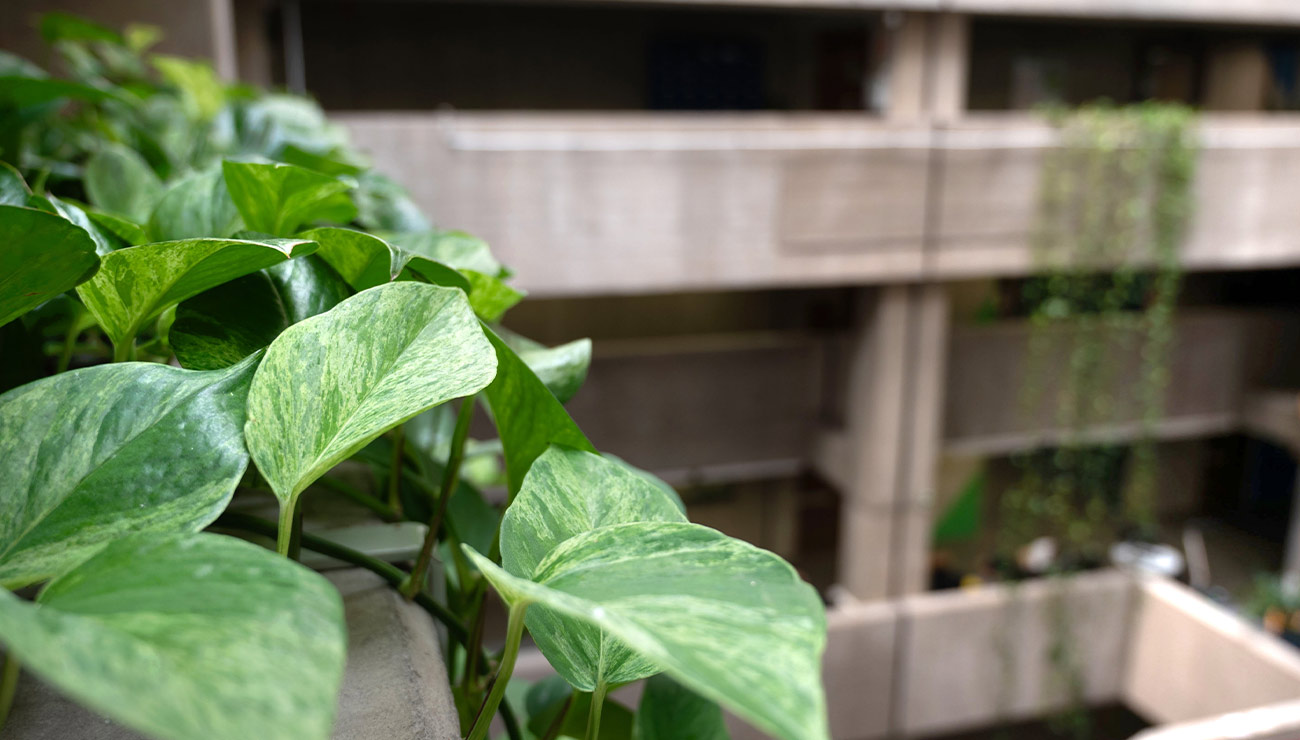
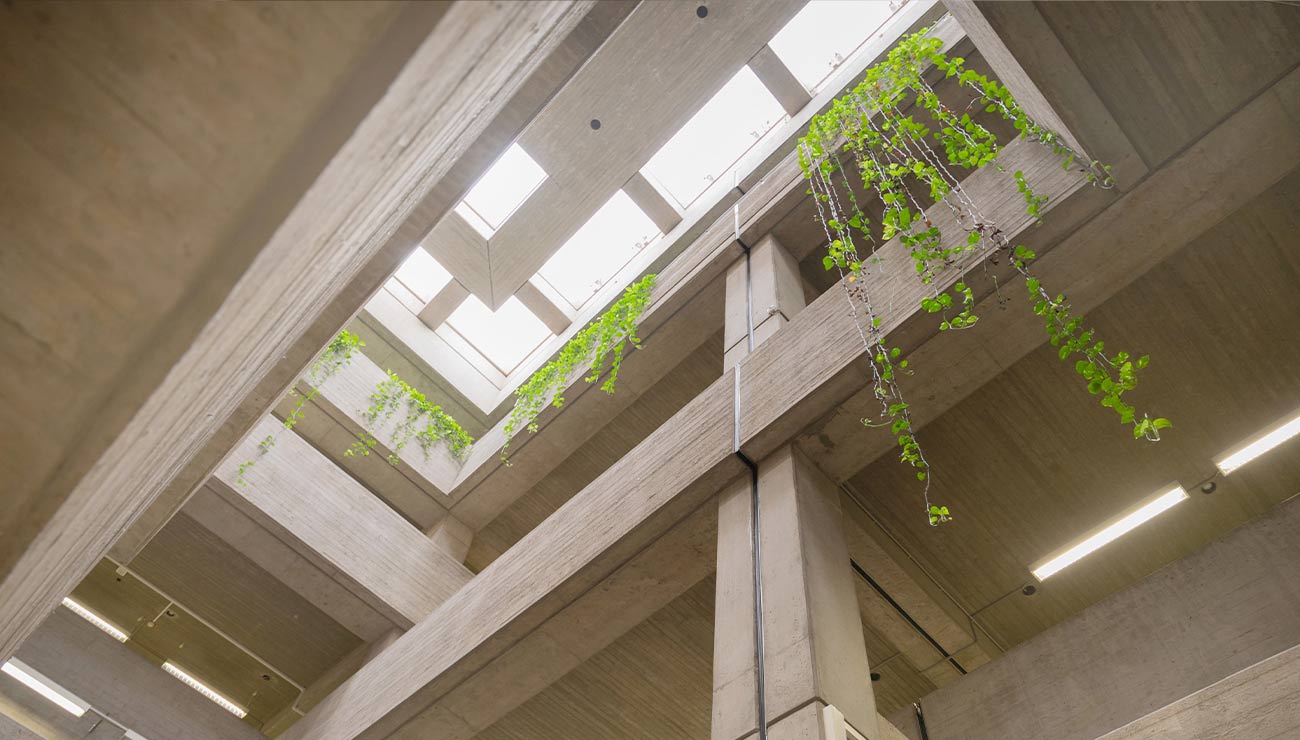
We also continued to expand our hanging gardens. This feature of our library, which is extremely popular with our users, was the focus of an article in the renowned library journal PROLibris, which was presented to a wide audience through RUB’s press review.
We continued to nurture our existing partnerships on campus—particularly with the AStA’s Repair Café and RUB’s Sustainability Office—and examined the energy consumption associated with AI use.
In addition to tips on using AI, related sustainability considerations are now an integral part of first-semester orientation sessions.
The visibility and accessibility of our courses (EU Sustainability Goal No. 4: quality education) were significantly improved once again by integrating our course calendar into the RUB Bib App.
Other new areas of activity in 2025 focused primarily on internal, library-wide engagement with sustainability issues. For example, colleagues from various teams participated in two initiatives to write cards against loneliness, which Caritas Bochum distributed to elderly people (EU Sustainable Development Goal No. 10: Reduced Inequalities). In addition, during an internal workshop addressing stereotypes and clichés, all interested University Library staff members were able to learn strategies for handling difficult conversations (EU Sustainable Development Goal No. 16: Peace, Justice, and Strong Institutions).
We are particularly proud of the excellent results of our internal fundraiser for the WDR 2 Christmas Miracle, which, in 2025, was hosted in Essen (EU Sustainable Development Goal No. 10: Reduced Inequalities).
© RUB, Rosenkranz
3. As a driver of digital transformation
3.1 The Digital Library
In 2025, the department focused on further developing digital services and infrastructure.
OASYS, a web application for the structured collection, evaluation, and reporting of Open Access requests for journals and books, was developed. To improve the data in the University Bibliography (HB), a local replica of the “OpenAlex” bibliographic database was set up, thereby eliminating the need for a premium license. The importer for publication data in the HB was then expanded to include an import process for works from the OpenAlex database. Additionally, it is now possible to enrich existing works using the OpenAlex taxonomy (OpenAlex fields and subfields) for better classification. A new “Ruhr Innovation Lab (RIL)” view was created in the HB for the Excellence Initiative.
Within the HB environment, the ProbeLa27 project, for which a software developer was hired, has been launched.
In the area of infrastructure, preparations were made to connect the University Library to RUB’s Active Directory, and the certification process for the Federal Office for Information Security was initiated for the entire library IT system.
4. At the center of the campus
4.1 The University Library as a Place to Relax and Study
In 2025, the quality of the University Library experience was impacted by the start of fire safety renovations, which will continue through 2027.
One-third of the study spaces and several ThinkTanks were unavailable.
Construction noise disrupted studying.

© RUB, Rosenkranz I © Magnific
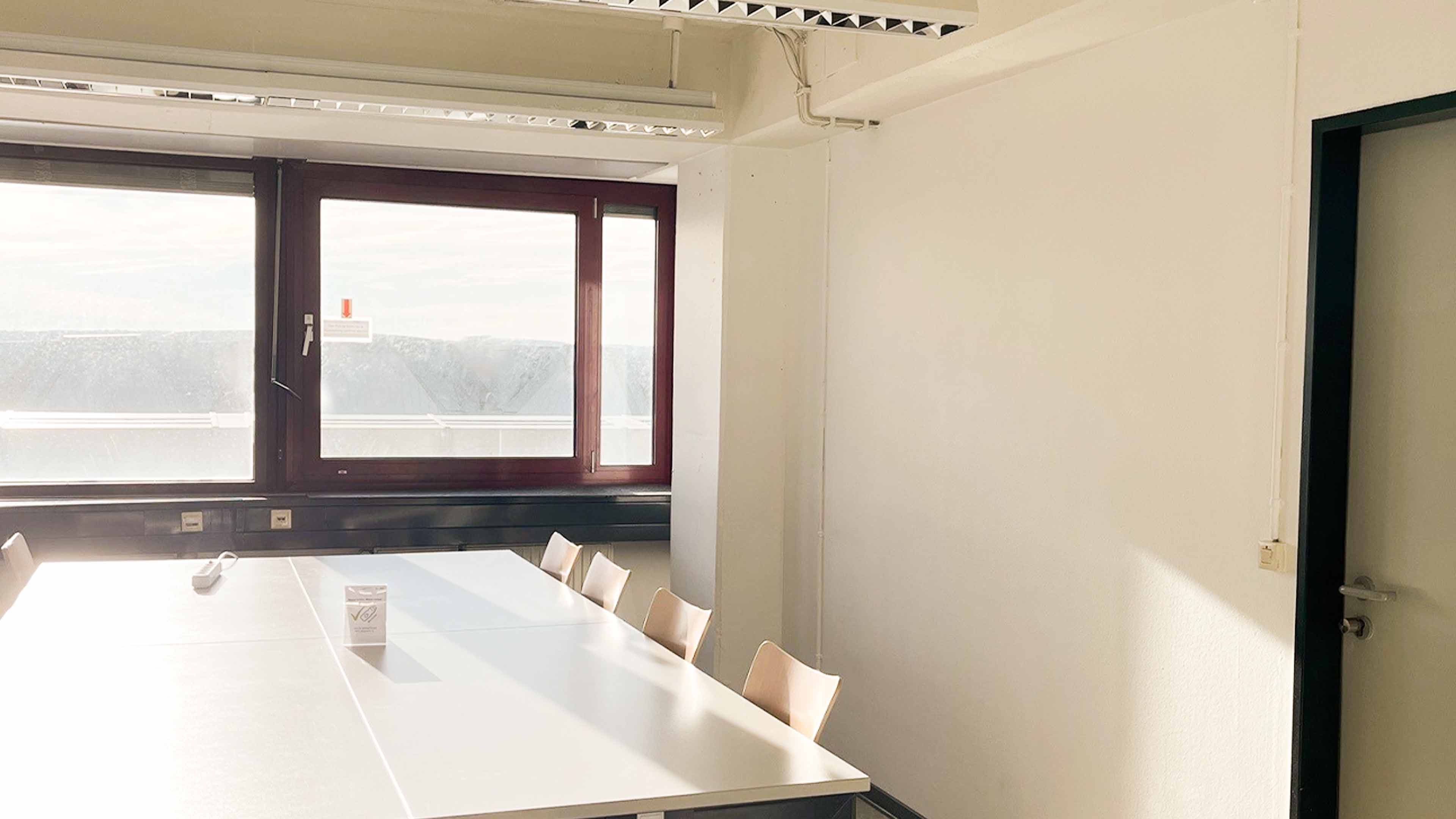
The closure of large study and stacks areas was proactively used to select media that could be removed from the inventory and to transfer collections to the off-site storage facility in Bochum-Langendreer. The goal of the renovation is to create additional study spaces in order to make the learning environment even more attractive and to further develop it. As part of this effort, three former offices were redesigned and put into use as group study rooms for students. The newly introduced policy requiring reservations for group study rooms and ThinkTanks is intended to help keep these group areas well-maintained and clean.
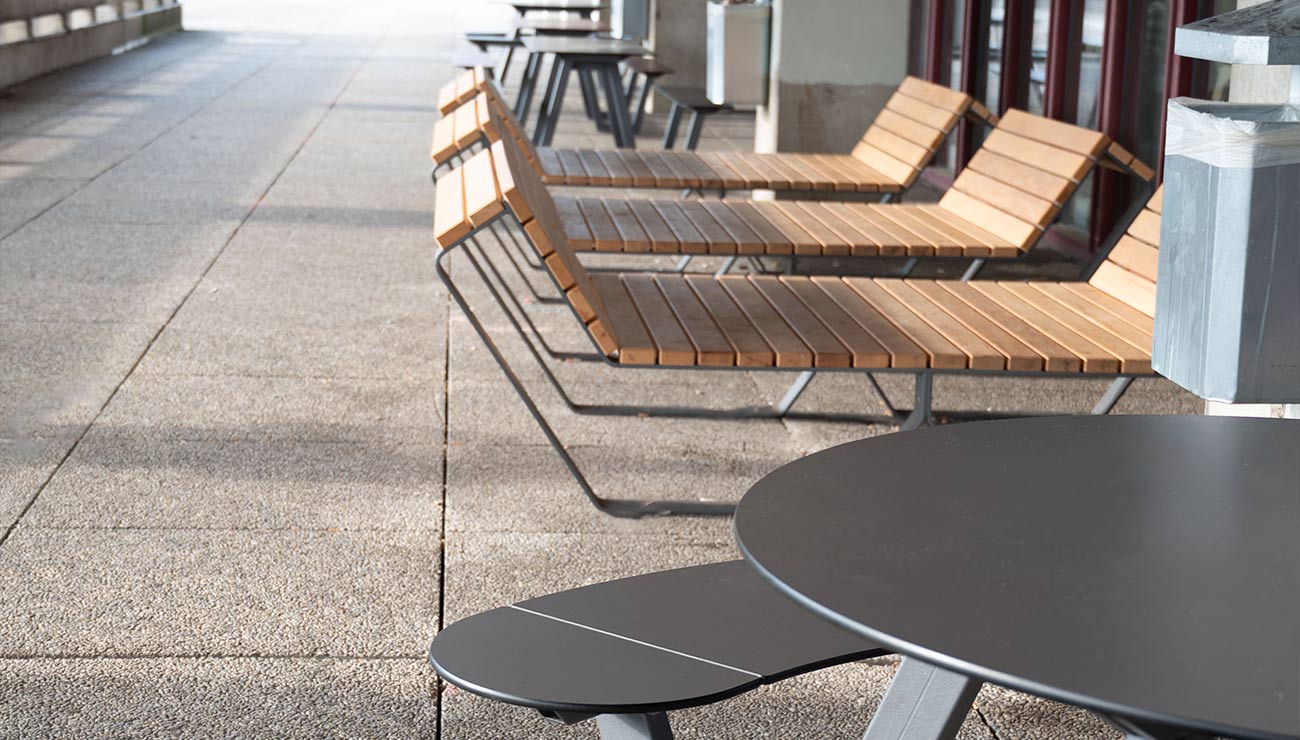
The new eating area created on level 0 in 2024 was expanded in 2025 to include the new University Library outdoor terrace, whose table groups and wooden loungers for dining, studying, and relaxing have been received very well.
© RUB, Rosenkranz
The significant improvements of recent years are having a correspondingly positive impact: Despite structural limitations, we set a new post-COVID usage record in 2025 with approximately 980,000 visits. The University Library also received a very positive rating in the CHE Ranking with regard to its facilities. In RUB's anniversary film which celebrated the university's 60th anniversary in 2025, it is aptly stated that “The university’s figurehead is its library.”
4.2 Information Resources as the Cornerstone of Research, Teaching, and Studying
4.2.1 Providing Media for the Campus
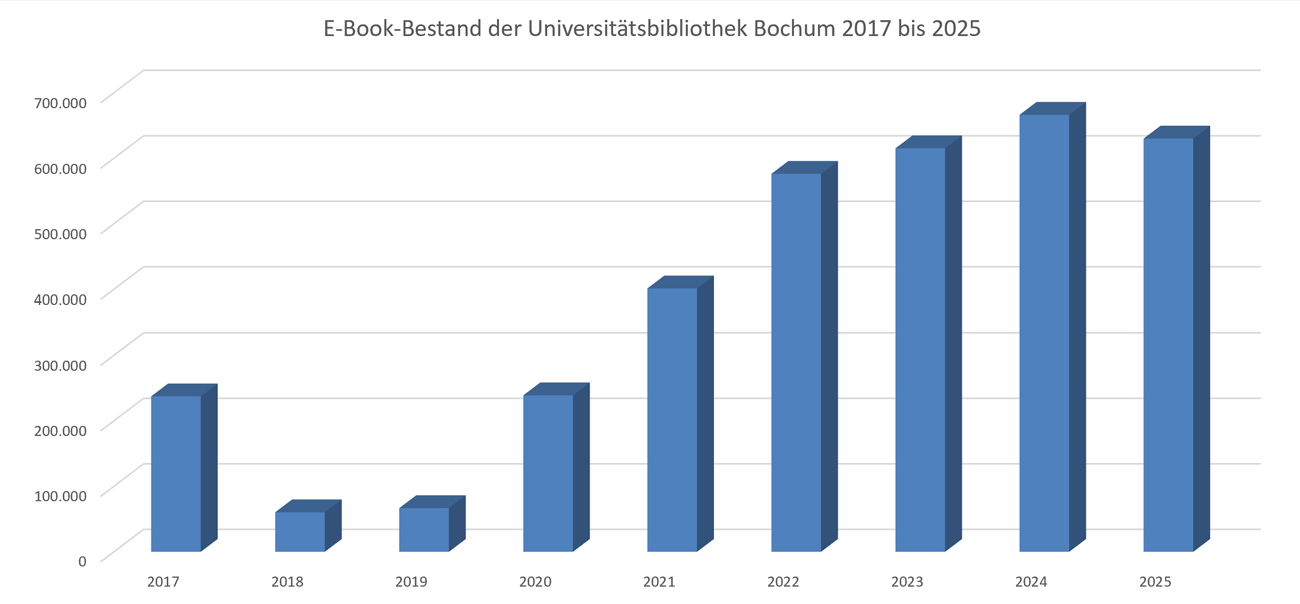
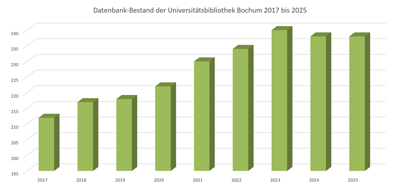
As in previous years, Bochum University Library was once again able to provide a wide range of interdisciplinary and subject-specific digital media for students and researchers at Ruhr University up in 2025. By renewing EBS licenses—which typically provide access to a publisher’s entire portfolio—and purchasing bundles, the University Library was able to maintain its e-book collection at 630,023 e-books, app. the same level as in the previous year (see figure 1). Fortunately, it was also possible to maintain the number of databases licensed in 2025 at 238, unchanged from the previous year (see figure 2). By contrast, the number of print media added to the University Library’s collection—3,656 items—declined further.
In the field of electronic journals, the topic of Open Access continued to gain importance. In 2025, the University Library coordinated participation in 15 transformation agreements jointly funded with the faculties. These also include the DEAL agreements with Wiley, Springer, and Elsevier, for which a new funding model took effect on campus in 2025.
As recommended by the German Science Council, the University Library, with support from the Budget Department, calculated RUB’s information budget in 2025. For the first time, it provides an overview of both central and decentralized RUB expenditures on media and publications in 2024 and serves as the basis for actively shaping the financing of the Open Access transformation.
© RUB, Reuter I © RUB, Stekanov
4.2.2 Teaching Information Literacy (using AI for the first time)
In April 2025, Bochum University Library introduced its first digital tool that uses artificial intelligence to find full-text articles: On many online platforms (e.g., Google Scholar, PubMed, Wikipedia, and publishers’ or book retailers’ online stores) the LibKey Nomad browser extension indicates whether the full text of a journal article or an e-book is licensed for RUB or available via Open Access, and uses AI to guide users to the full text via the fastest route.
The University Library’s training courses were expanded to include courses on “Generative AI for Beginners.” New AI tools and new AI features in existing literature databases will expand and transform for the first time information literacy courses in the future.
The number of courses offered remained at the same level as in 2024, while participant numbers rose slightly. The focus remained on the core target group of RUB members, with topics such as literature research, use of the University Library, and reference management. Significant growth was particularly recorded for causes on research-related services. Consultations regarding systematic reviews complemented the services, These are expected to continue to gain in importance.
Statistics– Overview 2025
- 314 courses (105 online courses, 209 in-person courses) with 4,206 participants
- 9 Moodle courses with 582 participants
- 136 training and advice sessions with 150 participants
- 815 views of the instructional videos
5. Thinking outside the box
5.1 The University Library as an Exhibition and Event Venue
The University Library as an Exhibition and Event Venue: Research – Science Outreach – Social Dialogue
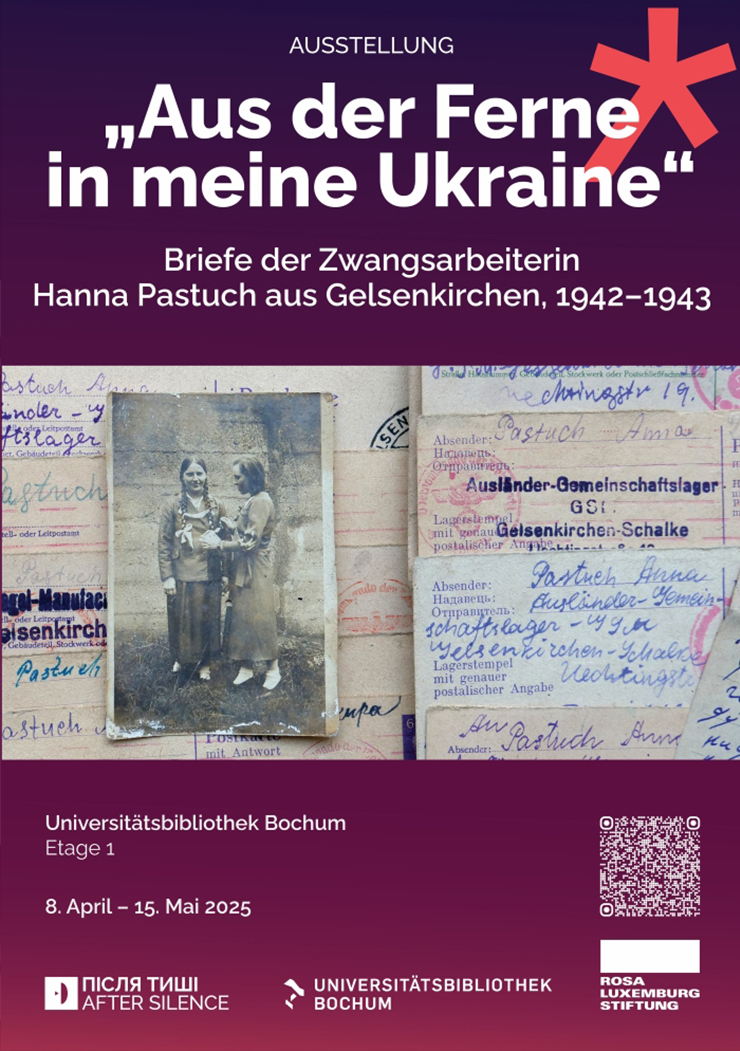
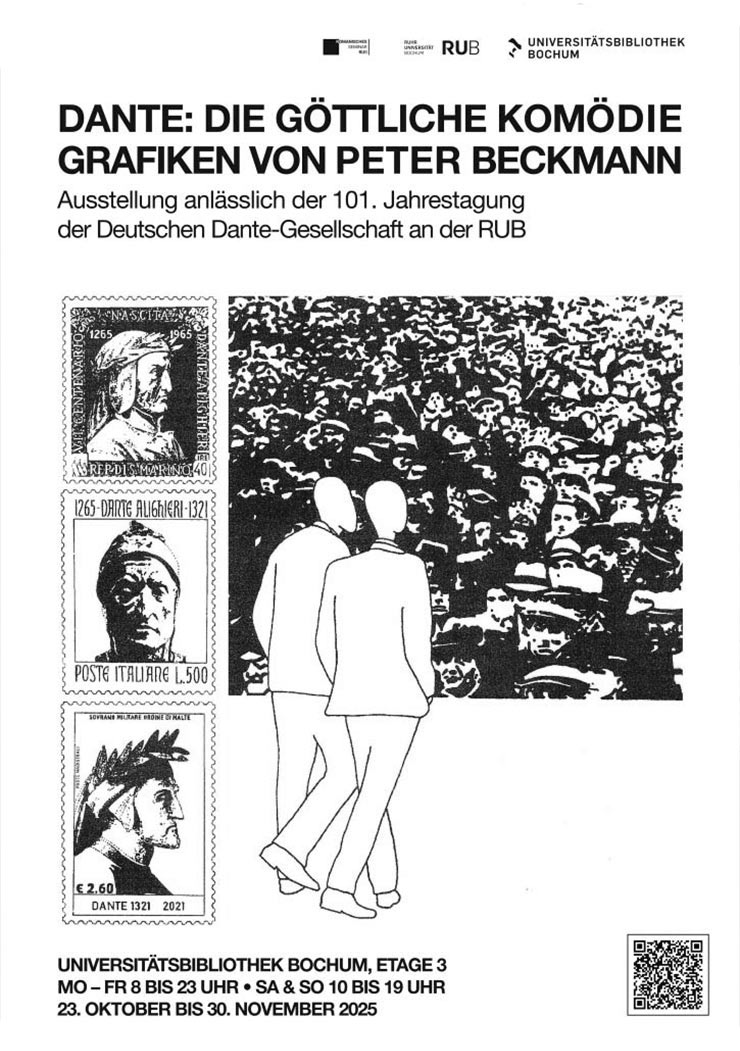
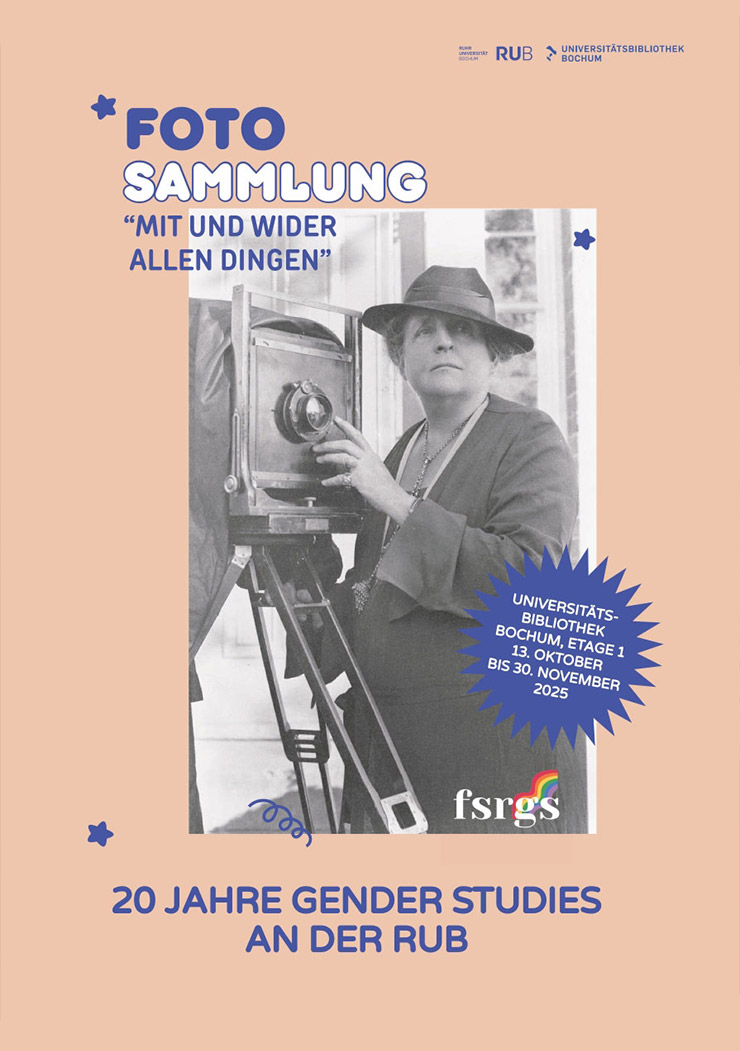
In 2025, the Bochum University Library continued its program of events with a clear thematic focus. With three exhibitions, as well as presentations at colloquia and book launches, it once again served as a central hub for exchange, discussion, and insights into current research at Ruhr University Bochum.
In close collaboration with RUB departments and partners from academia and civil society—including guests from abroad—a diverse range of events was organized that linked international and regional topics. The spectrum ranged from Eastern Europe (particularly Poland and Ukraine) to Syria, China, and Taiwan, as well as North Rhine-Westphalia and the Ruhr region. Special emphasis was placed on actively involving students from Bochum.
In terms of content, the program addressed key societal debates—such as environmental protection, the culture of remembrance, migration, and gender studies—which were examined primarily from the perspectives of history, politics, and sociology. In addition, the University Library presented interdisciplinary projects from the fields of linguistics, literary studies, and media studies, with a focus on artistic and literary approaches as well as historical topics.
© After Silence NGO I © RUB, Rosenkranz
In collaboration with
- Fachschaft Gender Studies, Fakultät für Sozialwissenschaft, RUB
- Germanistisches Institut, Fakultät für Philologie, RUB
- Lehrstuhl für Romanische Philologie, insb. italienische Literatur, Fakultät für Philologie, RUB
- Chair of Eastern European History, Department of History, RUB
- Seminar für Slavistik/Lotman-Institut, Fakultät für Philologie, RUB
- Taiwanforschungsstelle, Fakultät für Ostasienwissenschaften, RUB
- Department of Eastern European History at the University of Münster
- German Association for East European Studies
- Leibniz Institute for the History and Culture of Eastern Europe
- Osteuropa-Kolleg NRW e.V
- Polnisches Institut Düsseldorf
- National Taiwan Library
- NGO After Silence, Ukraine
- Peter Beckmann, Künstler, Bochum
5.2 The University Library's Public Relations Efforts
5.2.1 Media Coverage Beyond the Campus
In 2025, Bochum University Library, as part of RUB, made its presence felt in a wide variety of contexts beyond the campus. New partnerships were added to the library’s existing network.
Another defining feature of the year was the communication activity surrounding our institution’s latest major project: the fire safety renovation of the northern side of the building.
In January, WDR filmed an interview with students and RUB’s Chancellor on the topic of “Feeling Safe on Campus,” which was broadcast on Lokalzeit Dortmund. Also in January, the RUB Academy released a film shot last year, in which it promotes its new sustainability-focused degree program; parts of the film were shot at Bochum University Library.
Throughout the year, we hosted various other film crews. Among them was RUB’s University Communications Department, which filmed footage for prospective students and on the topic of AI. We also welcomed two student film crews from Dortmund University of Applied Sciences and Arts and the University of Münster, who were filming for final course projects in their Film studies.
In December 2025, ZDF also visited the University Library to film shots for the documentary series “37 Grad” on the topic of volunteer work.
Last but not least, Bochum University Library was also featured in two films produced to mark RUB’s anniversary. A historical film documentary, released for this occasion, stated: “The university’s figurehead is its library.” The report on WDR’s "Lokalzeit", which congratulated RUB on its 60th anniversary, also featured Bochum University Library.
In addition, the University Library was featured in print media, on the radio, and in an exhibition: In the special edition of „BoMa“ marking RUB’s 60th anniversary in June, it was part of the “My Neighborhood Is Here” section. The Lacrosse exhibition held on the occasion the FISU World University Games also included photos taken at the University Library.
Notable highlights included an article about the University Library in the November issue of the children’s magazine “Checky” and its inclusion in a library card game featured in the magazine “ZEIT Campus.”
Particular highlights of the media coverage in 2025 included a radio segment about the University Library’s closed stacks, which aired on WDR 5 in December, as well as an article about the library’s Sustainability Working Group in the journal PROLibris.
5.2.2 Established and New Partnerships
We continued to foster the numerous established partnerships on campus. For example, we contributed to media work by RUB’s Department 8: e.g., by serving as a filming location for a post on RUB’s new TikTok channel and by contributing to RUB’s university-wide anniversary calendar. The University Library was also represented again at the Ruhr University Alliance’s Love Data Week, Diversity Day, Teachers’ Day, Open Science November, and Fit for Funding.
In addition, University Library staff participated in various RUB-wide working groups, including meetings for the Study Fit project and the planning of the new science communication format “Let’s Talk,” which was held for the first time at the end of the year by RUB’s Knowledge Transfer Network.
A new partnership was established with the German Library Association, whose “My job library” campaign we support.
We also contributed to the “Wissensnexusbibliothek” project, which was carried out by Prof. Sørensen's students (Faculty of Social Sciences at RUB) as part of their course on data stories.
5.3 Partnerships and Collaborations
5.3.1 RUB-internal
- AG Open Science
- AG Texterkennung der RUB
- Akademie der RUB
- Anti-Discrimination Office RUB
- AStA
- Botanic Garten RUB
- Centre for Teaching and Learning
- Commission for Research and Knowledge Transfer
- Eastern European History at RUB
- Fachschaft Gender Studies, Fakultät für Sozialwissenschaft, RUB
- Fakultät für Sozialwissenschaft, RUB
- Faculties and Institutions RUB
- Germanistisches Institut, Fakultät für Philologie, RUB
- Inklusive Hochschule der RUB
- International Office der RUB
- IT.Services
- Lehrstuhl für Romanische Philologie, insb. italienische Literatur, Fakultät für Philologie, RUB
- Netzwerk Digital Humanities (NDH)
- Netzwerk Wissenstransfer der RUB
- Organization Chart
- Project: Our Campus
- RDS-Advisory Board der RUB
- Research Data Services der RUB
- Seminar für Slavistik/Lotman-Institut, Fakultät für Philologie, RUB
- StudyFit courses of RUB
- Sustainability Office RUB
- Taiwanforschungsstelle, Fakultät für Ostasienwissenschaften, RUB
- University Archive RUB
5.3.2 RUB-external
- Arbeitsgemeinschaft der Universitätsbibliotheken
- Department of Eastern European History at the University of Münster
- Deutsche Nationalbibliothek
- Deutscher Bibliotheksverband
- DH.NRW
- Fachinformationsdienste
- German Association for East European Studies
- Leibniz Institute for the History and Culture of Eastern Europe
- Martin-Opitz Bibliothek, Herne
- National Taiwan Library
- National Research Data Infrastructure
- Network Bochum libraries
- Netzwerk Mediatheken
- NGO After Silence, Ukraine
- Openaccess.nrw
- ORCiD
- Osteuropa-Kolleg NRW e.V
- Peter Beckmann, Künstler, Bochum
- Polnisches Institut Düsseldorf
- Service Center for Digital Humanities, University and Country Library, Münster
- University Alliance Ruhr
- Verein Deutscher Bibliothekarinnen und Bibliothekare
6. The University Library in numbers
Infrastructure
- Area of public space: 12,509 square meters
- Patron workstations (UB + IB Library + IC Library + Hegel Archive): 1,476
Media Collection
- Printed books – Collection: 1,688,780
- Electronic publications: 647,409
- Current printed journals: 316
- Licensed electronic journals (campus): 71,168
Media Budget
- Media acquisition budget: 4,889,338 €
Usage
- Registered users: 60,335
- Media acquisition budget of whom are non-university members: 5,460
- Loans (including renewals): 191,414
Courses
- 314 courses (105 online courses, 209 in-person courses) with 4,206 participants
- 136 training and advice sessions with 150 participants
- 9 Moodle courses with 582 participants
Training and Internships
Among other programs Ruhr University Bochum offers a training program to become a Media and Information Services Specialist (FaMI) with a focus on library science.
In addition, the university library offers numerous internships.
- Trainees for the Media and Information Services Specialist (FaMI) program: 2
- Work-integrated students: 2
German Library Statistics
For further information and comparisons with other libraries, please refer to the German Library Statistics (DBS).